WCIT 2016 Brasilia: World Congress on Information Technology and Casino Technology Insights
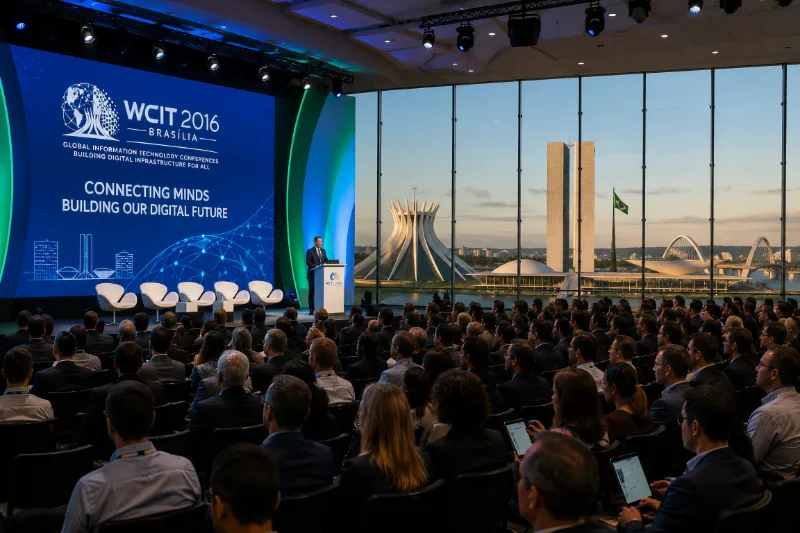
Back in October 2016, Brasília hosted the 20th World Congress on Information Technology, giving Brazil and the wider Latin American technology sector a rare place at the centre of the global IT conversation. The event ran from 3 to 5 October and brought together public officials, enterprise leaders, researchers, investors, founders, and international delegations.
This article looks back at what happened during WCIT 2016 Brasília, why the event mattered for Latin America, and which technology themes shaped the agenda. It also examines a related side topic: how modern casino technology grew out of many of the same infrastructure trends discussed at the congress, including cloud platforms, cybersecurity, streaming, real-time data processing, and secure payments.
Overview of WCIT 2016 Brasilia
The World Congress on Information Technology is one of the older fixtures in the global IT calendar. It dates back to 1978 and is organised every two years under the World Information Technology and Services Alliance. Each edition is hosted in a different country, which matters because every region brings its own infrastructure needs, policy debates, business priorities, and innovation challenges.
Over several decades, the congress has attracted ministers, CEOs, researchers, software founders, telecom executives, and digital policy specialists. The format gives public and private-sector participants a shared space to discuss how infrastructure, software, cloud systems, cybersecurity, connectivity, and digital services should develop next.
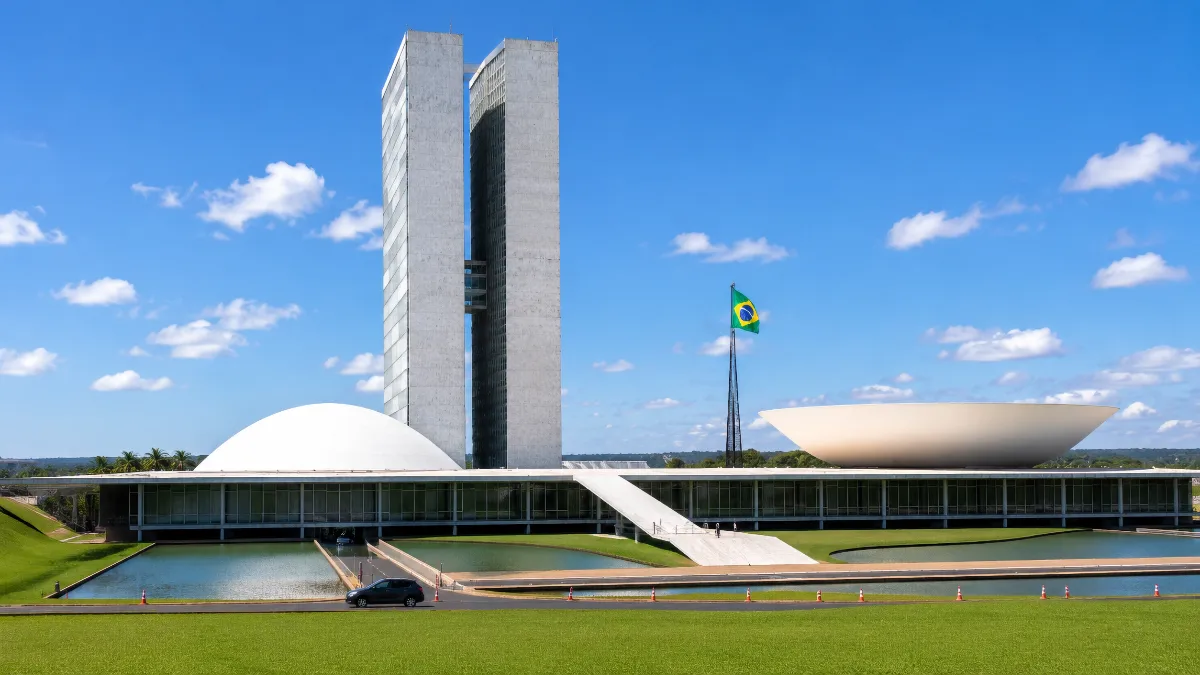
Brazil was a strategically important choice for the 2016 edition. The country ranked among the largest IT markets outside North America, Europe, and Asia, while also holding a leading position in Latin America’s technology economy. Hosting the congress in Brasília, a UNESCO World Heritage Site and the political centre of Brazil, connected the event directly with national policy and long-term digital planning.
WCIT 2016 Brasília was significant because South America had never hosted the World Congress on Information Technology before.
ASSESPRO, the Brazilian Federation of Information Technology Companies, handled the official organisation of the event. Federal institutions and private-sector partners also supported the logistics, programming, and international outreach that made the congress one of the largest technology gatherings staged in Latin America at the time.
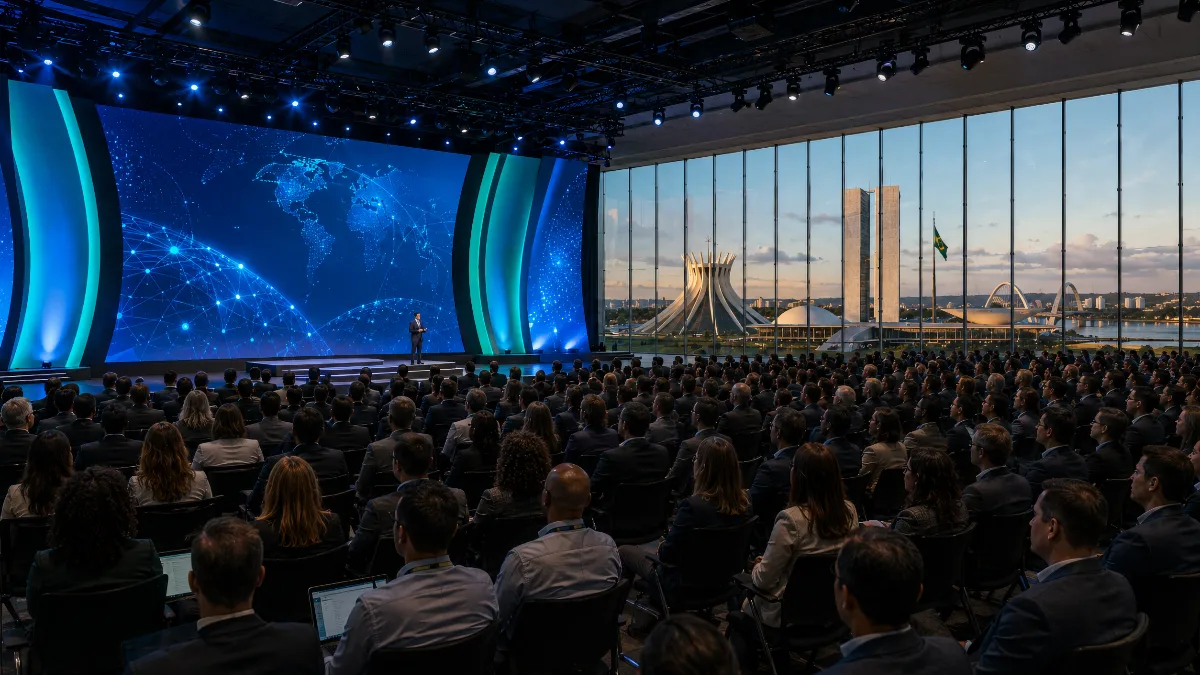
Strategic Importance for Latin America
For Latin America, WCIT Brasília carried more weight than a typical industry event. It gave local companies, regulators, startup teams, integrators, academics, and public-sector organisations direct access to global technology leaders without requiring them to travel to North America, Europe, or Asia.
Brazil already controlled a major share of the Latin American IT market at the time. That gave the event a practical business foundation, not just symbolic value. Global vendors could meet regional partners, while Brazilian and neighbouring economies could present themselves as serious participants in the digital supply chain.
The congress also helped regional participants discuss common issues: broadband access, digital inclusion, public cloud adoption, smart city planning, cybersecurity readiness, e-government services, and startup financing. These were not abstract topics. They affected how cities, public agencies, banks, telecom companies, and enterprise buyers planned their next technology investments.
- Local startups gained access to international investors and corporate partners.
- Public officials discussed digital transformation with global policy specialists.
- Telecom and infrastructure companies compared regional connectivity challenges.
- Universities and research groups presented applied innovation projects.
- Enterprise IT buyers explored cloud, analytics, security, and mobile-first systems.
The value of the event came from this mixture. Diplomatic conversations, vendor meetings, technical demonstrations, and investment discussions happened within the same programme. That made WCIT Brasil 2016 useful for both policy and business.
Event Structure and Key Highlights
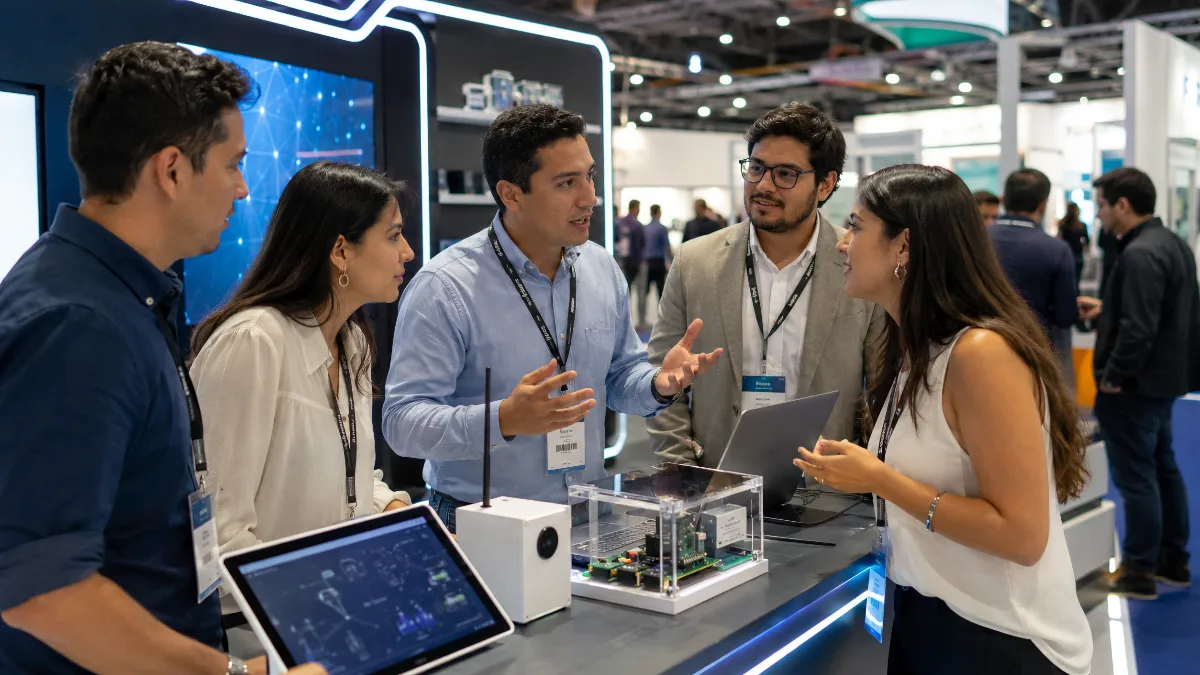
The three-day programme was arranged around the major technology priorities of 2016. Some sessions focused on high-level policy and international cooperation, while others moved into technical demonstrations, startup showcases, investment forums, and sector-specific workshops.
The structure encouraged different audiences to interact. Ministers and regulators attended policy panels, CIOs and enterprise buyers followed cloud and infrastructure discussions, founders joined startup programmes, and academics participated in research-oriented sessions. The exhibition area added a more practical layer by allowing vendors and labs to demonstrate products directly.
| Event Area | Main Focus | Featured Sectors | Typical Audience |
|---|---|---|---|
| Day 1 | Digital economy and policy | Government, telecom, finance | Ministers, regulators, CIOs |
| Day 2 | Innovation and emerging technology | Cloud, AI, IoT, smart cities | Engineers, product leaders, researchers |
| Day 3 | Business and investment | Startups, venture capital, enterprise IT | Founders, investors, analysts |
| Side Events | Workshops and exhibitions | Cybersecurity, education, health technology | Students, vendors, researchers |
Featured speakers included senior representatives from global technology companies, Brazilian federal authorities, international organisations, and standards bodies. Panels covered broadband expansion, digital inclusion, cross-border data rules, cloud adoption, and the relationship between government policy and private-sector innovation.
More than eighty national delegations participated. Mercosur countries, the United States, the European Union, and several Asian economies were represented. Some delegations focused on cooperation agreements in cybersecurity and digital education, while others used the congress to launch products, build commercial partnerships, or explore research collaboration.

Core Technology Topics Discussed at WCIT 2016
A major part of the WCIT 2016 agenda centred on the digital economy and its impact on older industries. Speakers discussed how telecom operators were shifting away from voice-led business models and toward data, cloud connectivity, content delivery, and digital platforms.
Smart cities received strong attention. Brazilian cities had already begun experimenting with intelligent traffic systems, e-government portals, connected public services, and data-driven urban management. Curitiba and Rio de Janeiro were often used as practical examples of how sensors, analytics, and cloud systems could improve services on the ground.
Emerging technologies also shaped the programme. In 2016, many of these fields were still moving from early experimentation into broader enterprise adoption. The congress gave attendees a chance to compare pilot projects, commercial products, policy risks, and infrastructure requirements.
- Cloud computing and hybrid infrastructure for enterprise workloads.
- Artificial intelligence for customer service, automation, and analytics.
- Internet of Things deployments in logistics, agriculture, and manufacturing.
- Cybersecurity frameworks for critical infrastructure protection.
- Blockchain experimentation in finance, identity, and verification systems.
- Big data platforms and advanced analytics solutions.
- Mobile-first applications and the expansion of 4G networks across Brazil.
Outside the formal panels, WCIT 2016 Brasília also included showcases for startups and research labs. The exhibition area featured fintech platforms, e-learning tools, healthcare analytics products, smart city prototypes, and early automated interfaces. Brazilian accelerators used the space to present portfolio companies to foreign investors, and several business relationships reportedly continued after the event.

Casino Technology in the Global IT Landscape
Gambling was not part of the official WCIT Brasília agenda. That distinction matters. However, the technical systems behind modern regulated digital entertainment share many foundations with the enterprise IT themes discussed at the congress.
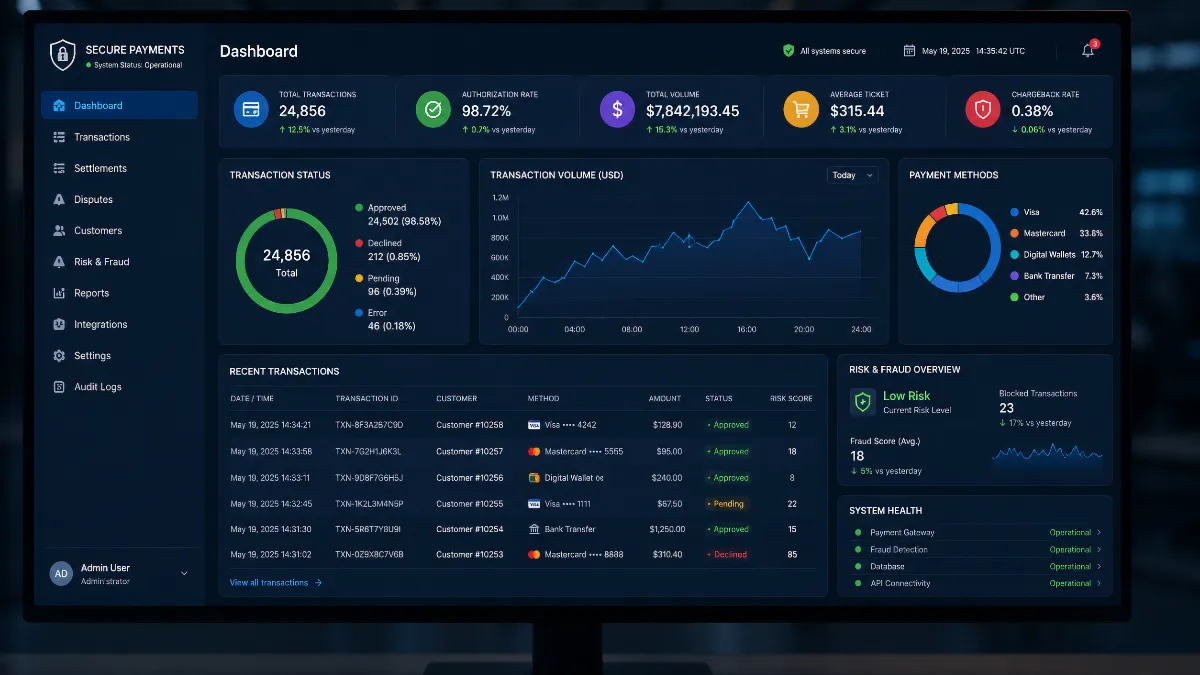
Modern casino technology depends on cloud infrastructure, real-time data processing, identity checks, payment security, encrypted communication, compliance monitoring, and analytics dashboards. Those same foundations also support banking, telecom, streaming media, e-commerce, and digital public services.
The overlap is especially clear in online casino platforms. These systems must support high availability, fast transactions, secure account management, fraud prevention, customer support, and mobile performance. In regulated markets, they also need audit trails, identity verification, anti-money laundering controls, and certified game systems.
| Casino Technology Component | Shared Enterprise IT Priority |
|---|---|
| Cloud-hosted game servers | Scalable infrastructure and service availability |
| Random number generation modules | Testing, certification, and technical auditability |
| Identity verification systems | Compliance, fraud prevention, and account security |
| Encrypted payment gateways | Secure financial transactions and data protection |
| Real-time analytics dashboards | Operational monitoring and business intelligence |
| Chatbots and support platforms | Customer service automation and escalation workflows |
| Mobile casino applications | Low-latency user experience across mobile networks |
This is why casino gaming technology can be analysed as part of the wider IT landscape, even when gambling itself is not the main subject. The industry’s backend systems are built from the same technical building blocks that appear in other high-volume digital services.
Live Casino Technology, Streaming Infrastructure, and Cloud Networks
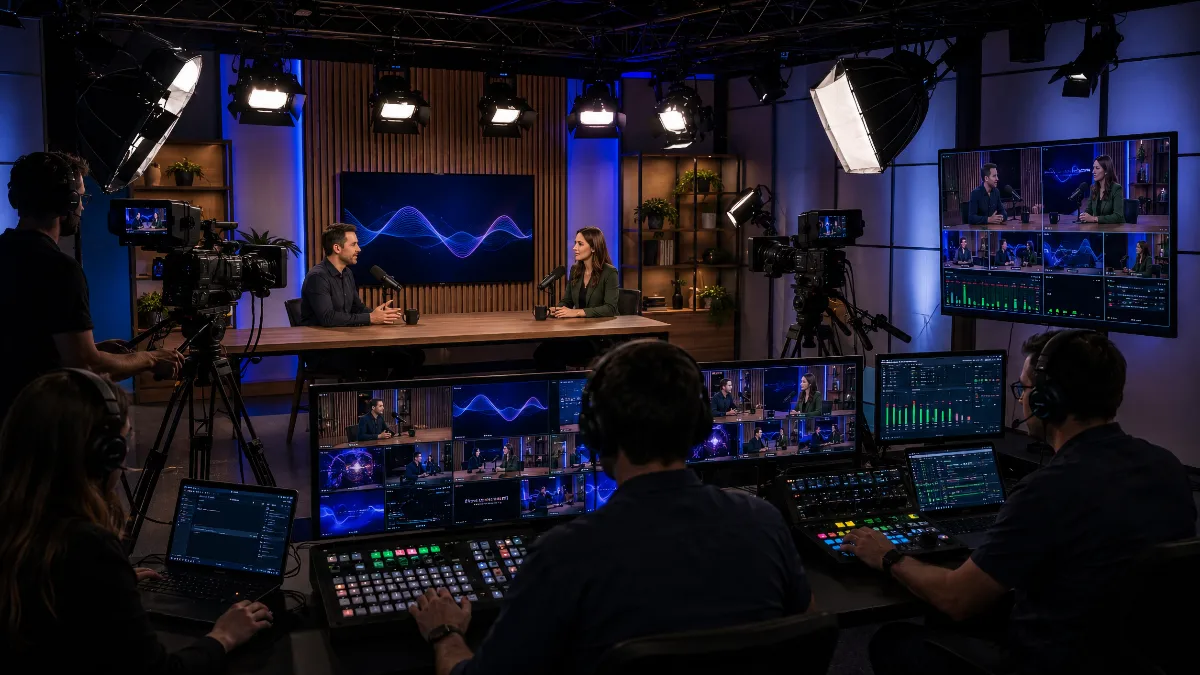
Live casino technology is one of the more complex parts of the online gaming sector. It combines professional video production, low-latency streaming, identity management, payment processing, and platform security. Instead of using only digital game interfaces, live casino systems broadcast real human dealers from studios or licensed venues.
The technical stack can include HD cameras, studio lighting, audio capture, dedicated fibre connections, video encoders, content delivery networks, edge computing, and cloud-hosted platform services. The goal is to make interaction feel immediate for users watching from different countries and devices.
This infrastructure closely resembles the systems used by streaming entertainment platforms, financial trading interfaces, remote education platforms, and real-time collaboration tools. The difference is the regulatory burden. Live casino platforms often require stronger verification, monitoring, auditing, and transaction controls than ordinary entertainment applications.
Live casino technology shows how streaming, cloud networks, secure identity systems, and real-time analytics can converge inside one digital service.
The connection to WCIT-style discussions is clear. Smart city panels, cloud infrastructure sessions, and cybersecurity debates all touched on technical problems that later became central to many adjacent industries. Low latency, resilience, secure access, data compliance, and scalable platforms are now shared concerns across the digital economy.
Outcomes, Legacy, and Industry Impact
Every edition of the World Congress on Information Technology leaves a different mark on its host region. Some editions are remembered for policy initiatives, while others are associated with investment activity, startup visibility, infrastructure debates, or new international partnerships.
WCIT 2016 Brasília strengthened Latin America’s visibility in the global IT sector. It helped Brazilian institutions and companies present themselves to international partners, while also giving neighbouring economies a clearer route into global technology conversations.
| Edition | Host City | Main Themes | Notable Legacy |
|---|---|---|---|
| WCIT 2012 | Montreal | Cloud, mobility, open data | Strengthened Canadian IT exports |
| WCIT 2014 | Guadalajara | Digital inclusion, education | Supported public-private digital programmes |
| WCIT 2016 | Brasília | Innovation, smart cities, telecom | Expanded Latin American visibility |
| WCIT 2018 | Hyderabad | AI, cybersecurity, fintech | Boosted India’s startup ecosystem |
The long-term influence of the congress was gradual rather than sudden. Brazilian authorities continued to move toward public cloud adoption. Local IT service providers pushed harder into cross-border work. International vendors strengthened relationships with Latin American partners. Data protection and cybersecurity also became more prominent in national digital policy conversations.
For future international technology conferences, the event offered several lessons. Hybrid formats helped reach broader audiences. Multilingual programming improved accessibility. Aligning the agenda with national policy goals made the congress more relevant beyond the exhibition floor. Allowing adjacent sectors into the conversation also made the event more useful for a wider range of participants.

Conclusion
The legacy of WCIT 2016 Brasília extends beyond three days of panels and exhibitions. The congress brought global technology leaders into direct contact with Latin American institutions, companies, startups, and researchers. It also showed how strongly the region wanted to participate in discussions about digital infrastructure, cybersecurity, telecom, smart cities, and innovation.
Looking at the event alongside casino technology also highlights a broader point. Many industries now depend on the same foundations: cloud systems, secure payments, identity verification, real-time analytics, streaming infrastructure, and resilient networks. Events like the World Congress on Information Technology matter because they help define how those foundations are built, governed, and applied across society.
FAQ
What was WCIT 2016 and why was it significant?
WCIT 2016 was the 20th edition of the World Congress on Information Technology, held in Brasília from 3 to 5 October 2016. It was significant because South America had never hosted the congress before, giving Latin America a global platform for discussions about digital transformation, telecom, smart cities, cybersecurity, and innovation.
Who organized WCIT 2016 in Brasília?
WCIT 2016 in Brasília was officially organised by ASSESPRO, the Brazilian Federation of Information Technology Companies, working with the World Information Technology and Services Alliance and supported by federal institutions and private-sector partners.
What topics were discussed during WCIT 2016 Brasília?
The congress covered cloud computing, artificial intelligence, cybersecurity, smart cities, telecom infrastructure, digital economy policy, cross-border data rules, startup investment, mobile-first applications, big data, and Internet of Things deployments.
How does casino technology relate to IT conferences like WCIT?
Casino technology uses many of the same systems discussed at major IT conferences, including cloud infrastructure, cybersecurity, streaming networks, secure payments, identity verification, real-time analytics, and mobile performance optimisation. Gambling was not part of the official WCIT 2016 agenda, but the underlying engineering overlaps with broader enterprise IT.
What is live casino technology in simple terms?
Live casino technology combines professional video production, low-latency streaming, secure gaming platforms, and real-time interaction tools so users can watch and interact with human dealers online from licensed studios or venues.